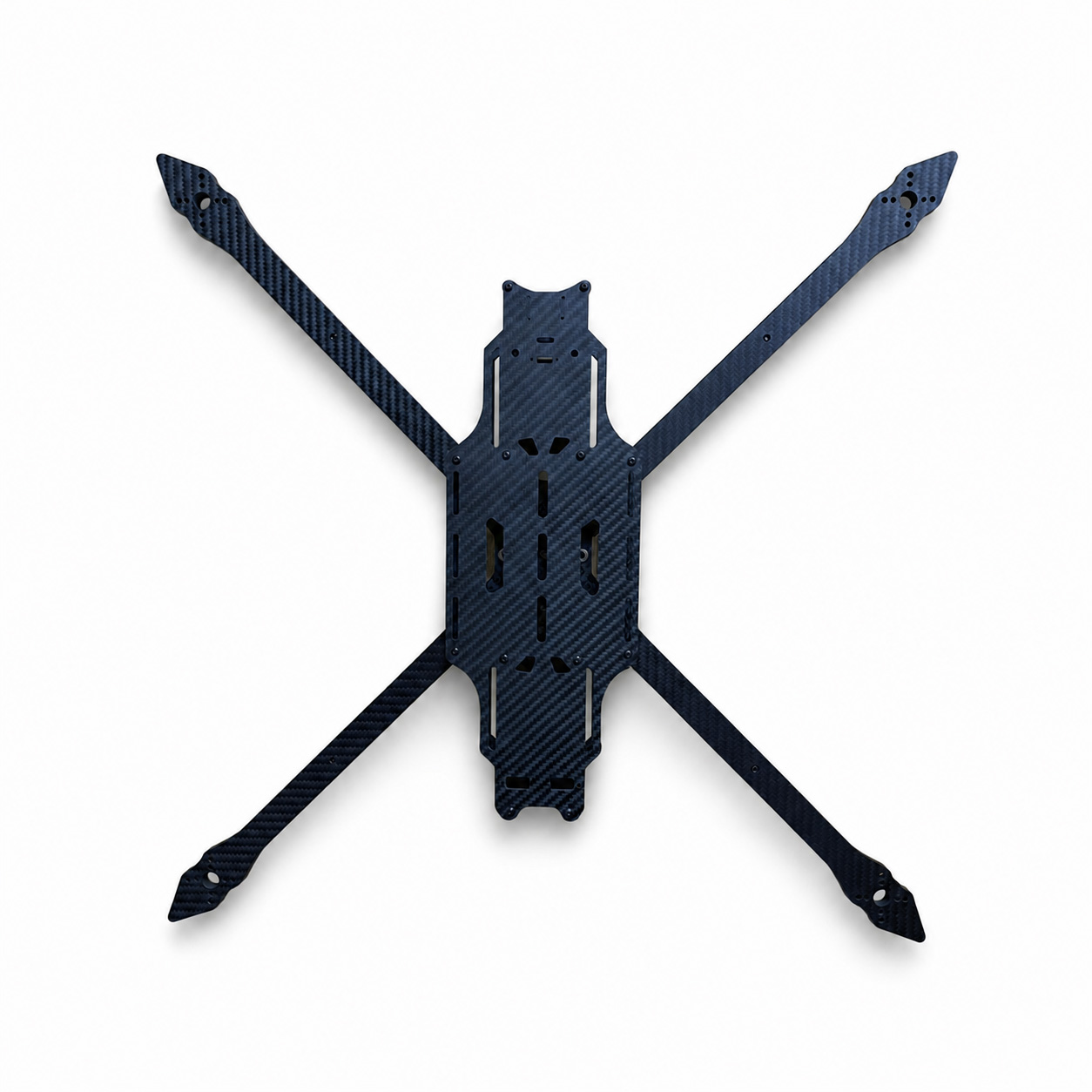
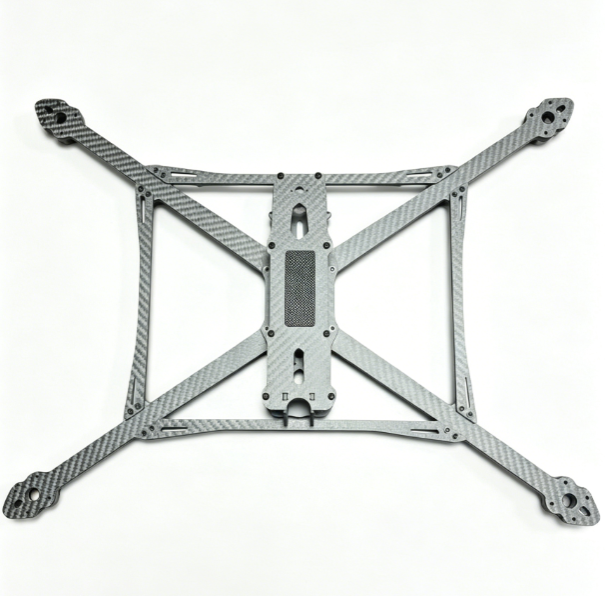
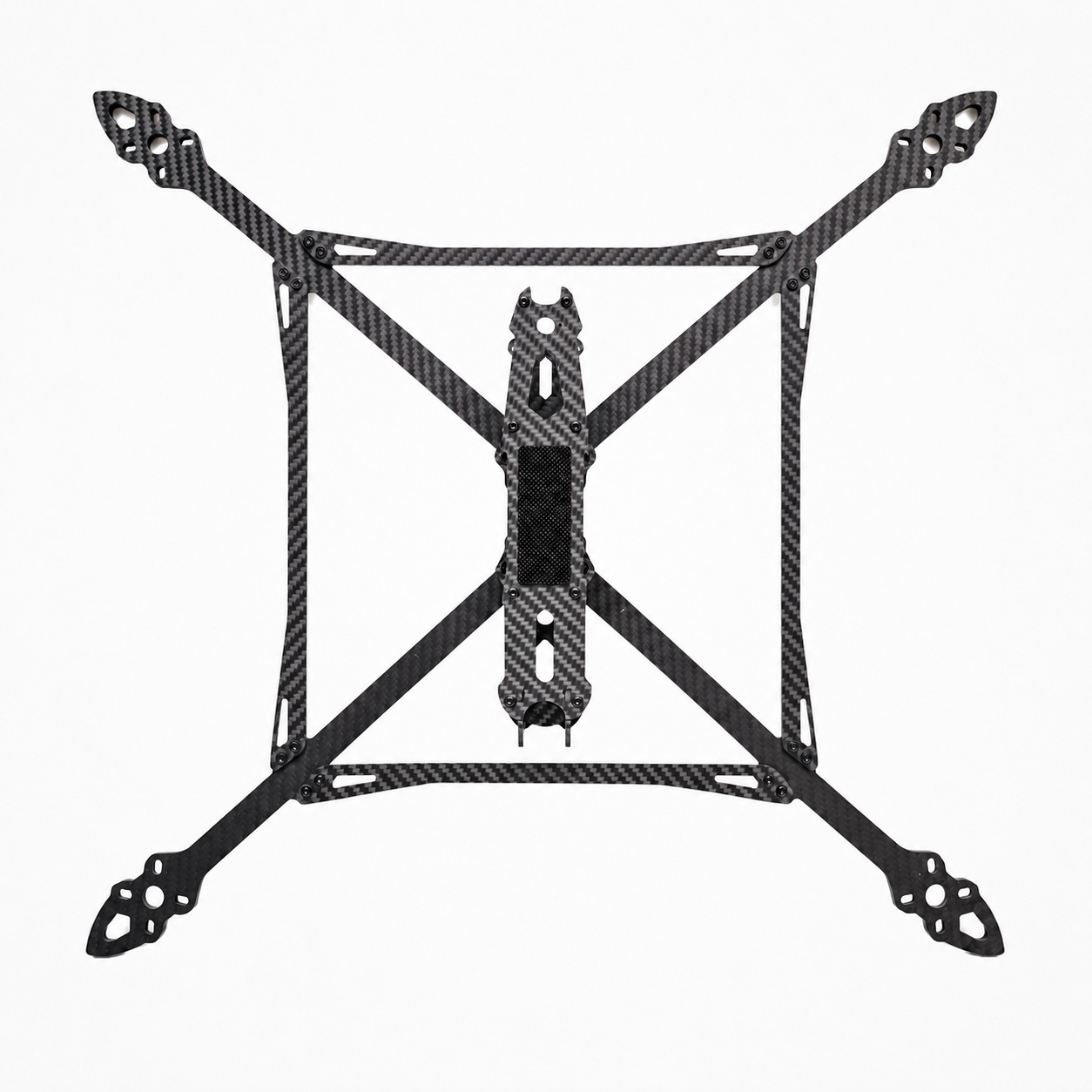
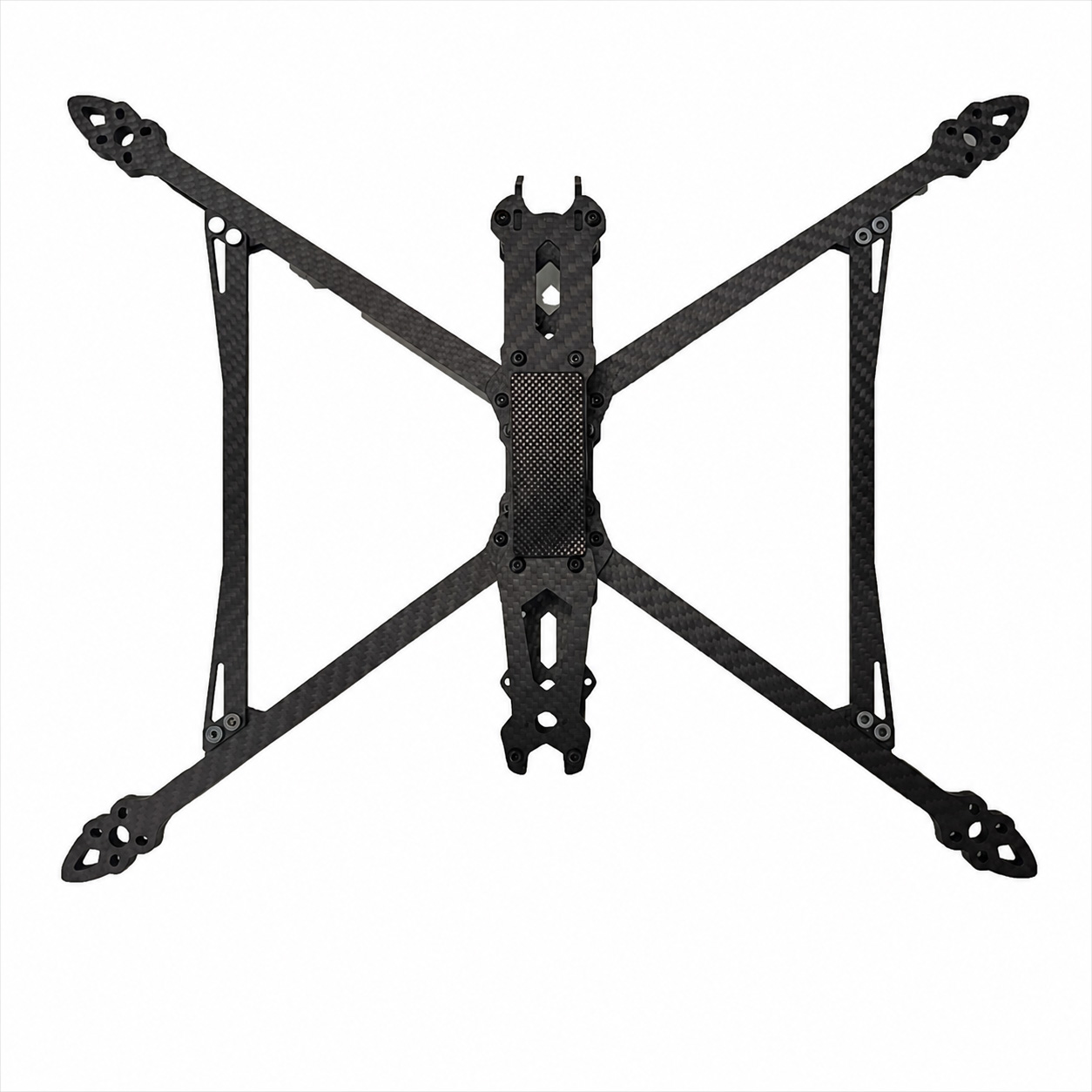
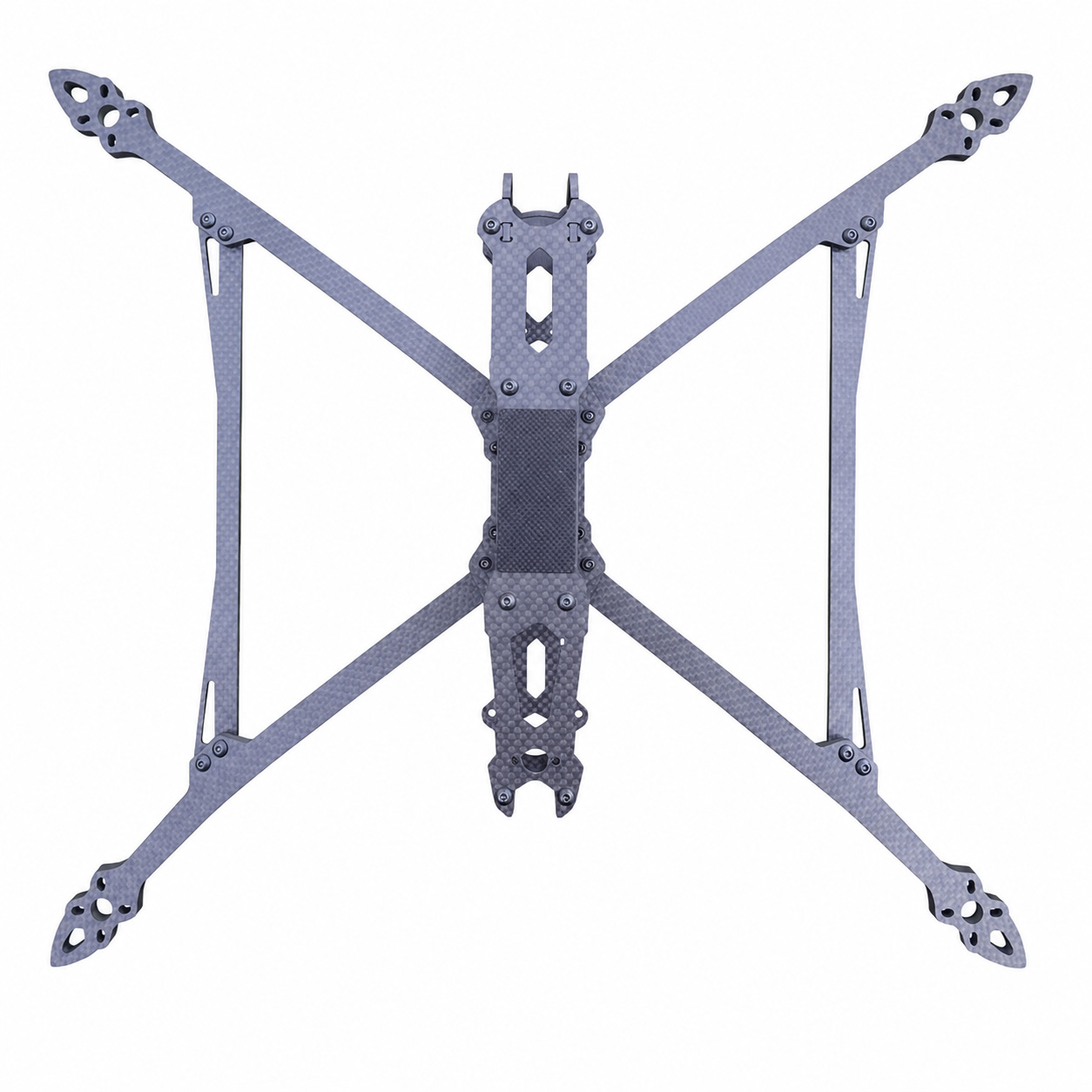
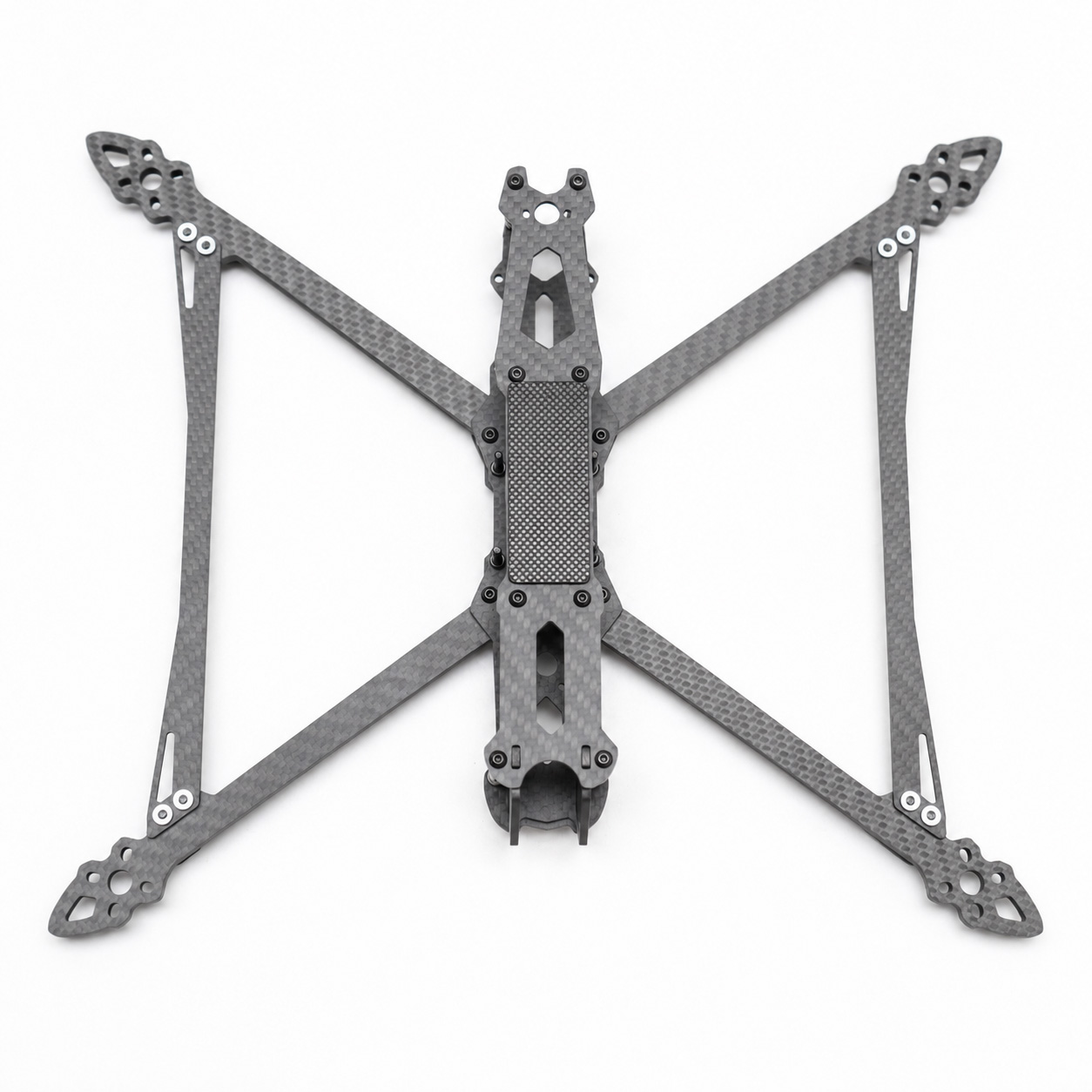
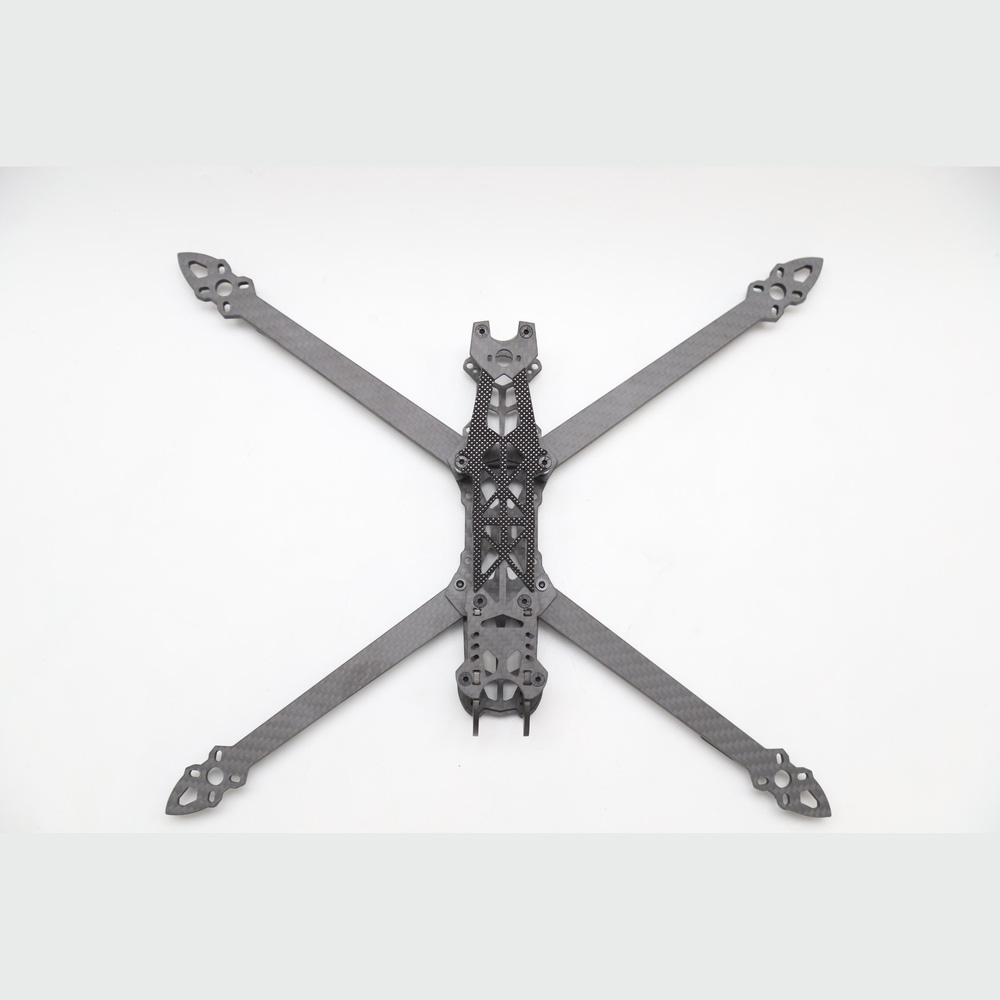
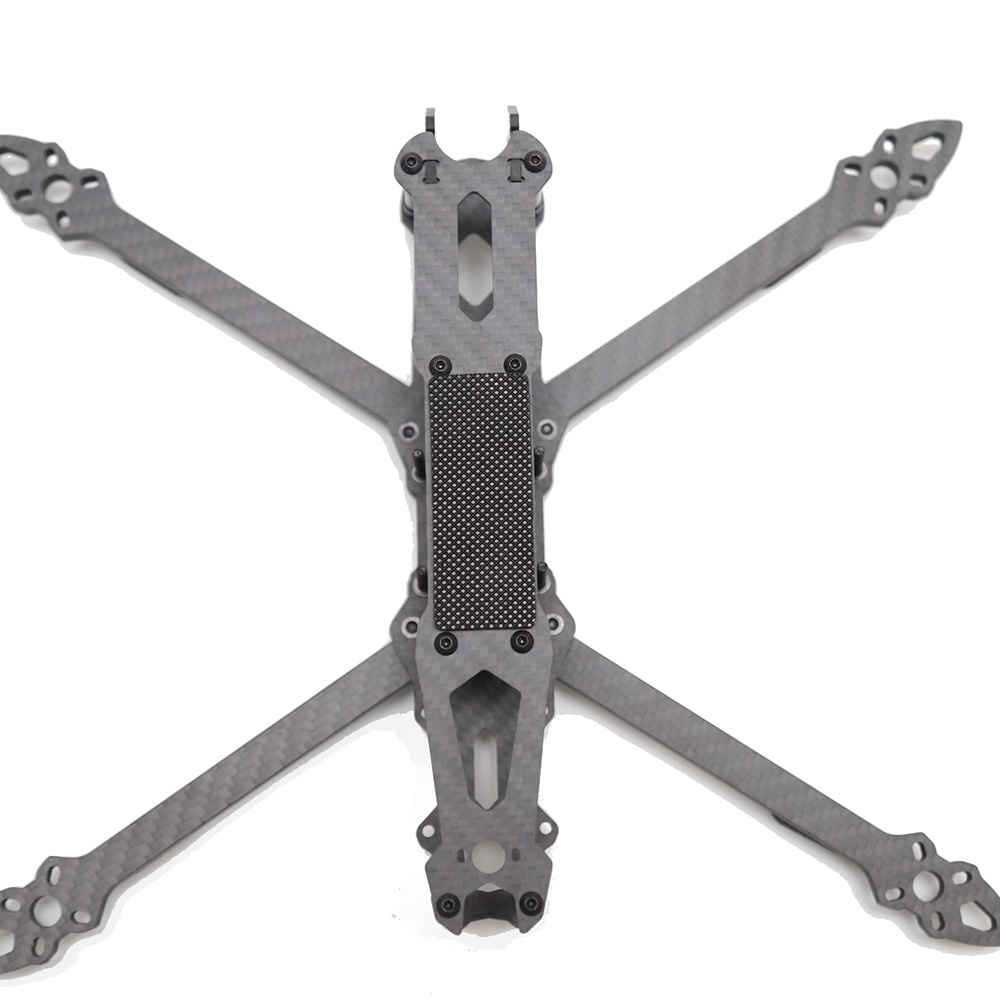
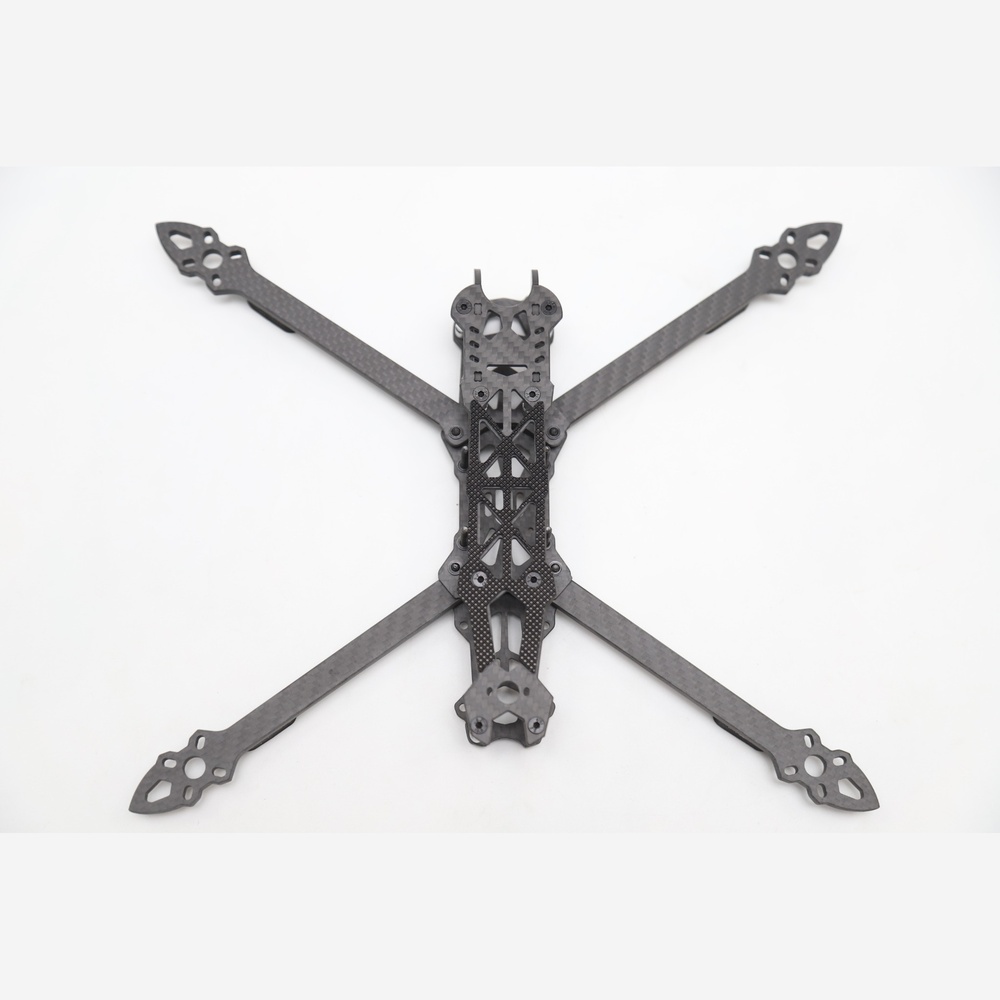
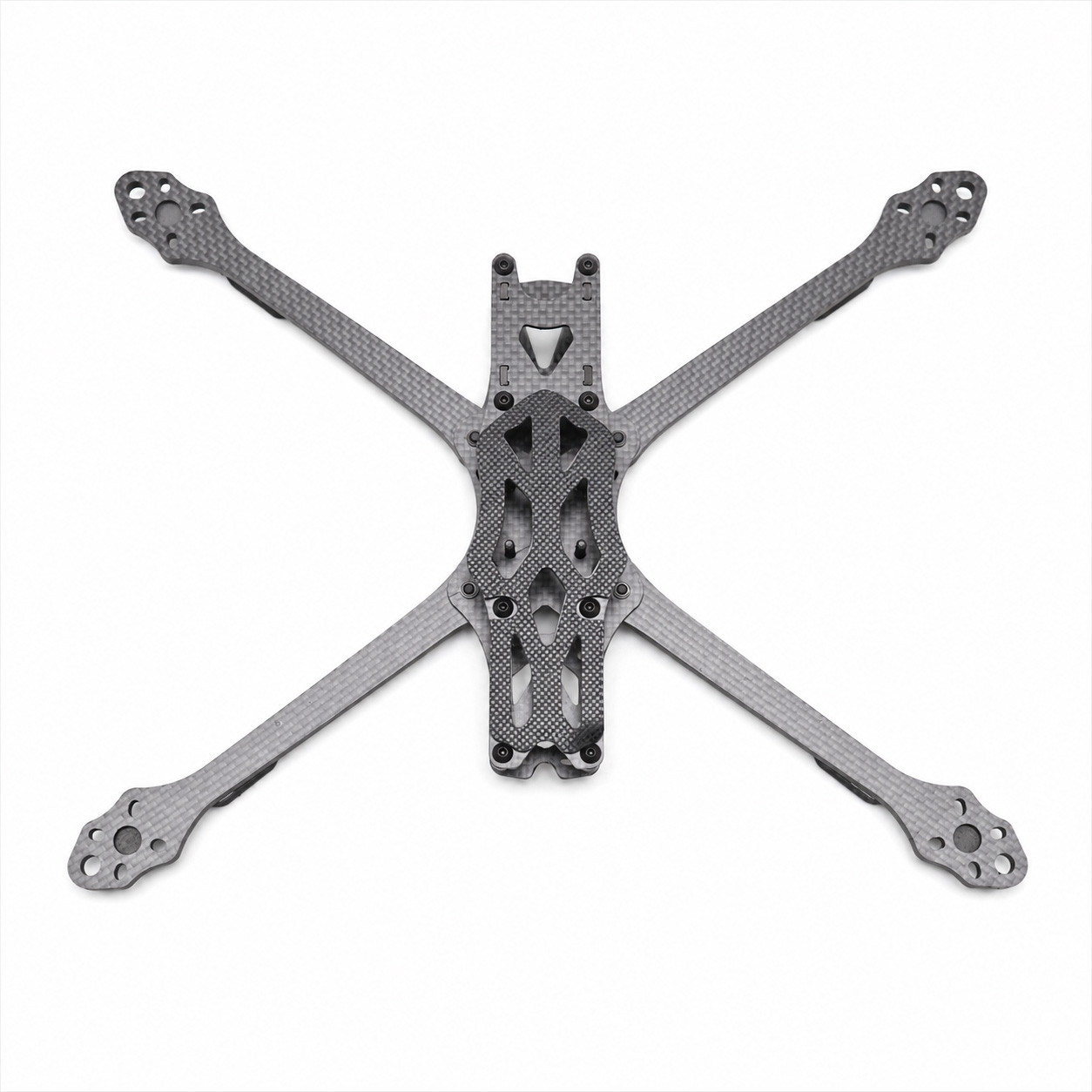
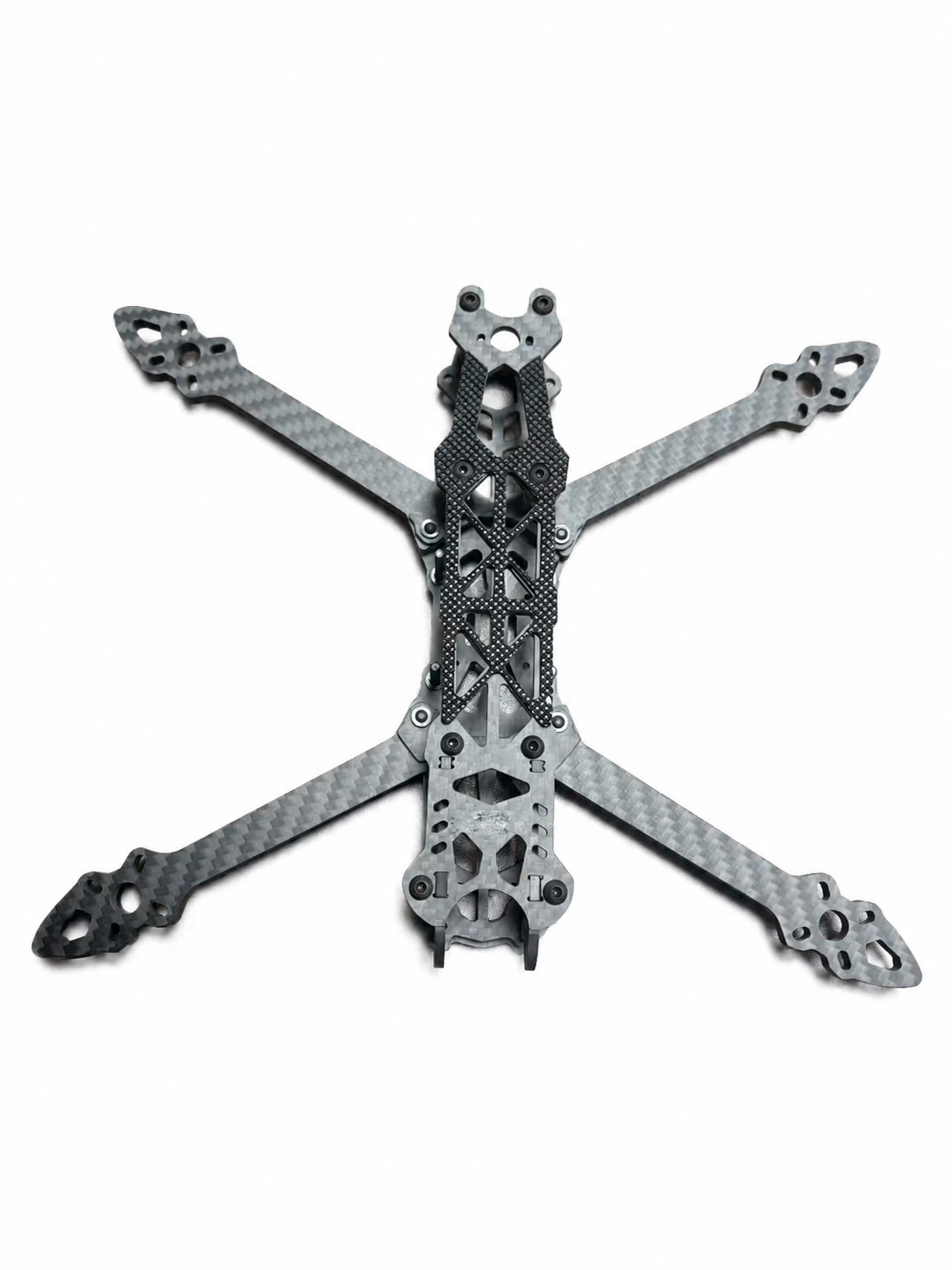
Magnetic exploration version unmanned aerial vehicle low altitude aeromagnetic measurement
With many advantages, the low altitude aeromagnetic measurement technology of magnetic exploration version unmanned aerial vehicles has been applied in multiple fields, and the results are significant:
(1) Mineral resource exploration
This is the core application area of this technology. It can accurately determine the location and range of iron polymetallic deposits, and also search for strong magnetic rock masses related to mineralization. For example, the Development Research Center of the Geological Survey Bureau used multi rotor unmanned aerial vehicles for aeromagnetic measurements in the Gejiu tin mining area of Yunnan. After obtaining high-precision aeromagnetic data, they successfully inferred the location of hidden metamorphic basalt bodies closely related to mineralization, providing a key basis for prospecting and prediction.
(2) Detection of buried magnetic targets on the nearshore seabed
In response to the difficulty of detecting shallow water submarine pipelines near the coast, the South China Sea Survey Technology Center under the South China Sea Bureau of the Ministry of Natural Resources has applied this technology to carry out 5-50 meter ultra-low altitude sea surface aeromagnetic measurements in Yangjiang and Shantou, Guangdong, accurately obtaining the location information of submarine pipelines, and setting a precedent for the engineering application of this technology in the field of detecting buried magnetic targets on the seabed.
(3) Unmanned archaeological exploration in ultra shallow waters
Traditional archaeological exploration cannot operate in ultra shallow water areas with a depth of less than 1 meter. However, this technology can be combined with underwater unmanned boat magnetic surveys. By comparing homologous magnetic survey data at different detection heights, analyzing and interpreting them, the possible target range of cultural relics and historical sites can be inferred, filling the technical gap in ultra shallow water archaeological exploration.
(4) Island Geological Survey
The Shandong Provincial Institute of Physical and Chemical Exploration carried out a unmanned aerial vehicle (UAV) ultra-low altitude simulated geomagnetic survey project on Liugong Island, successfully obtaining high-precision magnetic field data at ultra-low altitude in Liugong Island and surrounding waters, and clearly grasping the geological, structural, and magmatic rock distribution in the area, providing a new working idea for the development, utilization, and protection of island resources nationwide.
5、 Development prospects and outlook
As a rapidly developing new technology in recent years, the magnetic exploration version of low altitude aeromagnetic measurement technology for unmanned aerial vehicles has broad application prospects due to its unique advantages of high cost-effectiveness, safety, convenience, and efficiency.
In the field of mineral resource exploration, its application effect has been fully verified; At the same time, the frequency of applications in ecological environment investigation, engineering applications, archaeology, unexploded ordnance detection, underwater shipwreck salvage, anti submarine detection, and other fields is rapidly increasing. This technology is not only an important supplement to manned aeromagnetic survey technology, but also can break through many limitations of traditional technology. It is expected to play a role in more fields in the future and has important promotion value, which will continue to promote technological innovation in the geological exploration industry.